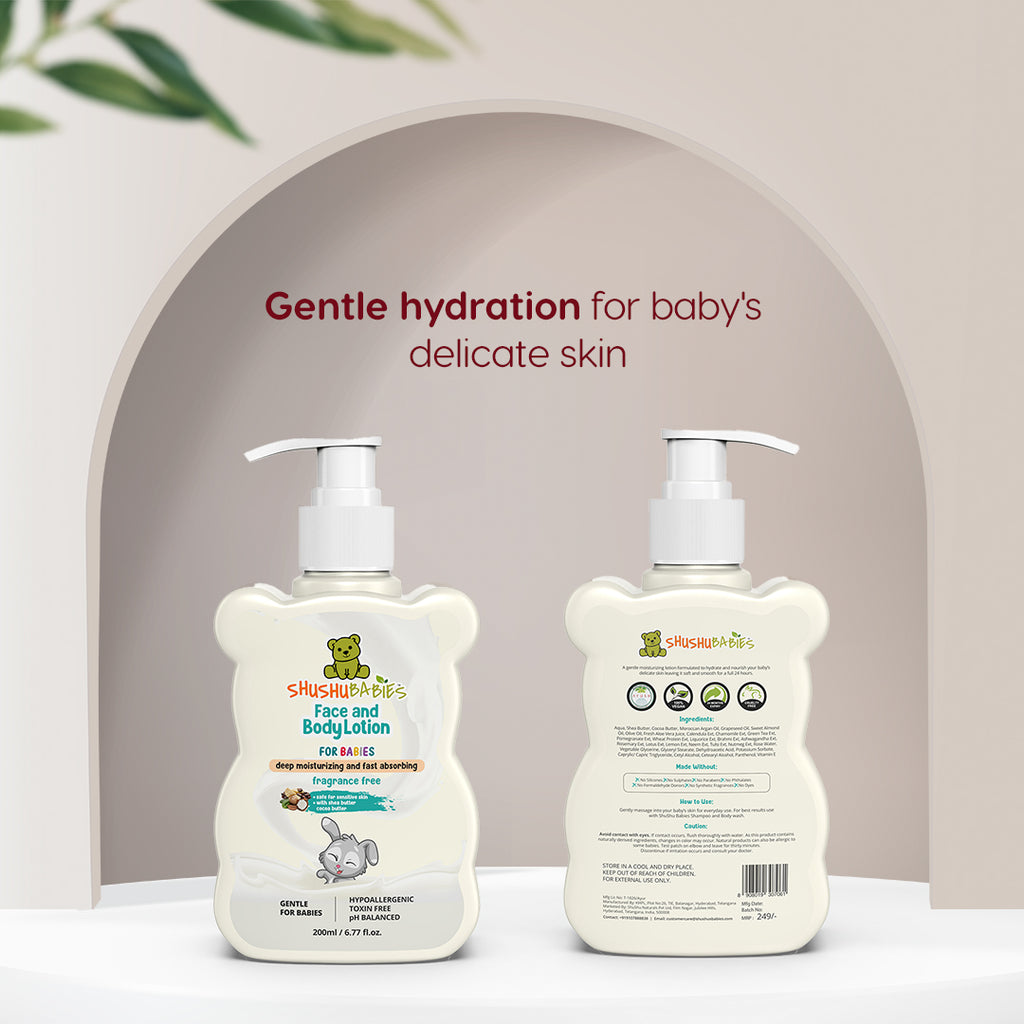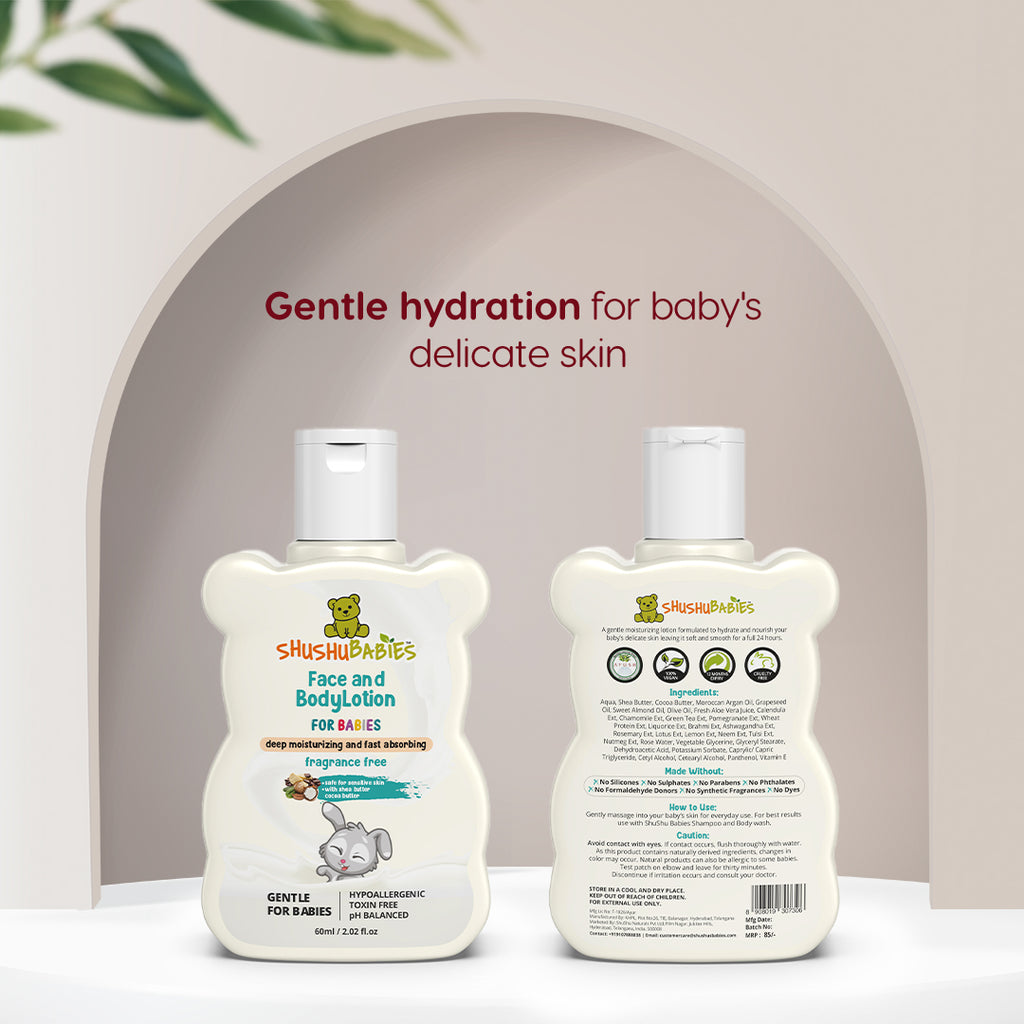


Parents often ask a simple question as children grow: when should my child stop using kids' skincare and start using adult products? There is no universal birthday when a child suddenly needs an adult routine. Skin needs change gradually, and puberty, climate, activity and individual sensitivity matter more than age alone.
Kids' skin is not simply smaller adult skin
Young skin can be sensitive to over-cleansing, strong fragrances and unnecessary active ingredients. This is why a basic routine is usually preferable during childhood: gentle cleansing, moisturising and sun protection when appropriate.
The Indian Academy of Pediatrics recommends broad-spectrum sun protection for children and notes that physical filters such as zinc oxide or titanium dioxide are preferable in children's sunscreens. It also advises paying attention to irritation and appropriate application.
For families looking for Ayurvedic baby products or baby Ayurvedic products, the same principle applies: choose products according to the child's age and skin needs rather than choosing an ingredient simply because it sounds natural.
So when is adult skincare appropriate?
Around the tween and teenage years, some children may begin developing oilier skin, blackheads or acne as puberty progresses. That can mean introducing a targeted product, but it does not automatically mean switching the entire routine to adult skincare.
A 12-year-old with occasional oiliness may need only a gentle cleanser and moisturiser. A teenager with persistent acne may need dermatologist-guided ingredients. A child with very dry or sensitive skin may continue to benefit from a simple, fragrance-conscious routine for longer.
The transition should be based on the skin's needs.

What should parents look for?
When selecting the best Ayurvedic baby products in India, or care products for older children, look for transparent product information, age suitability, gentle formulations and appropriate safety testing.
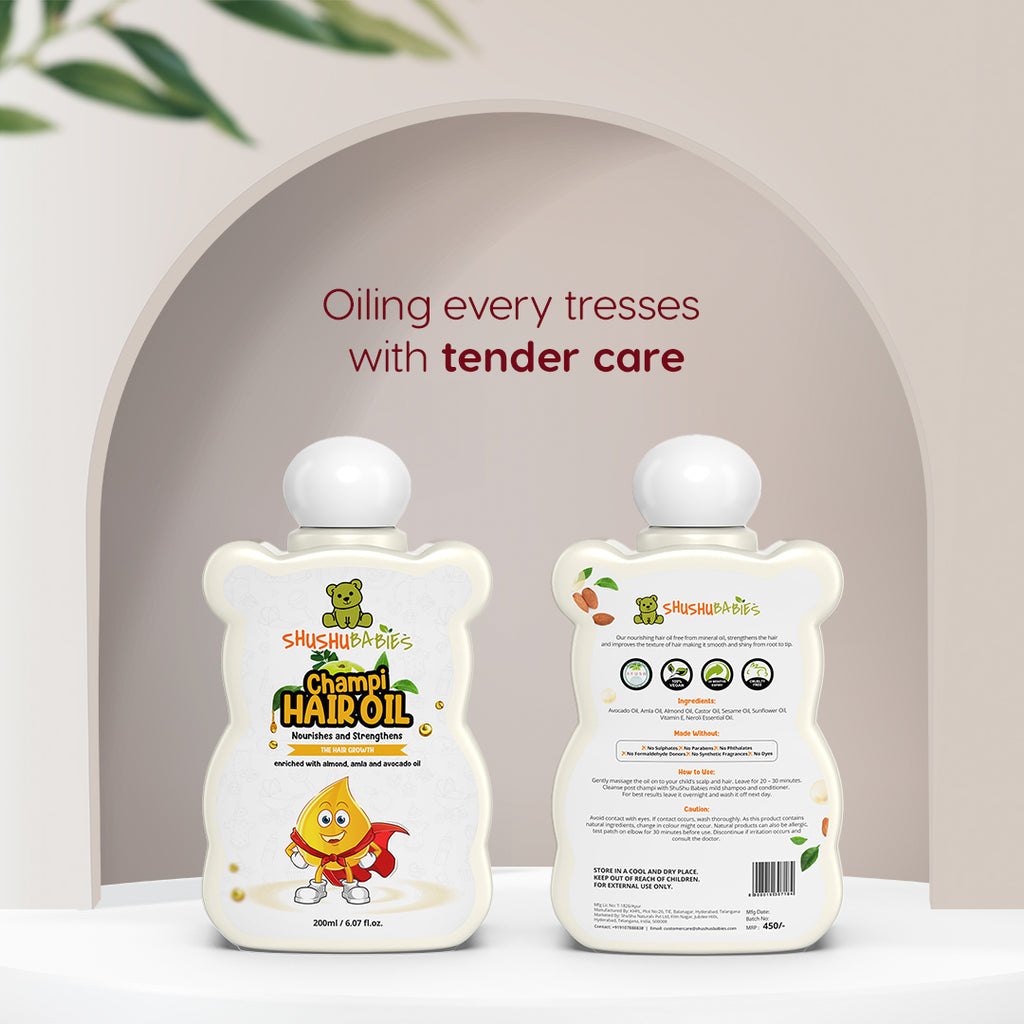
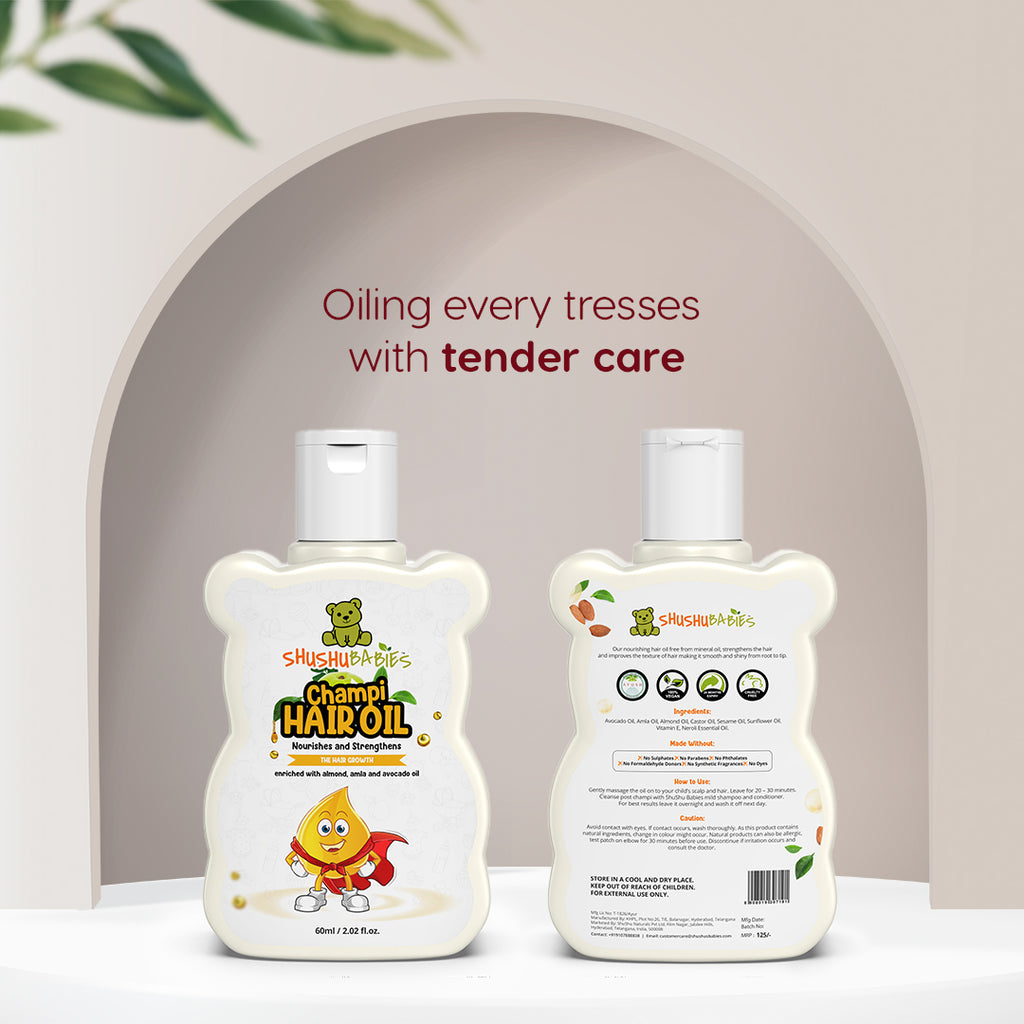
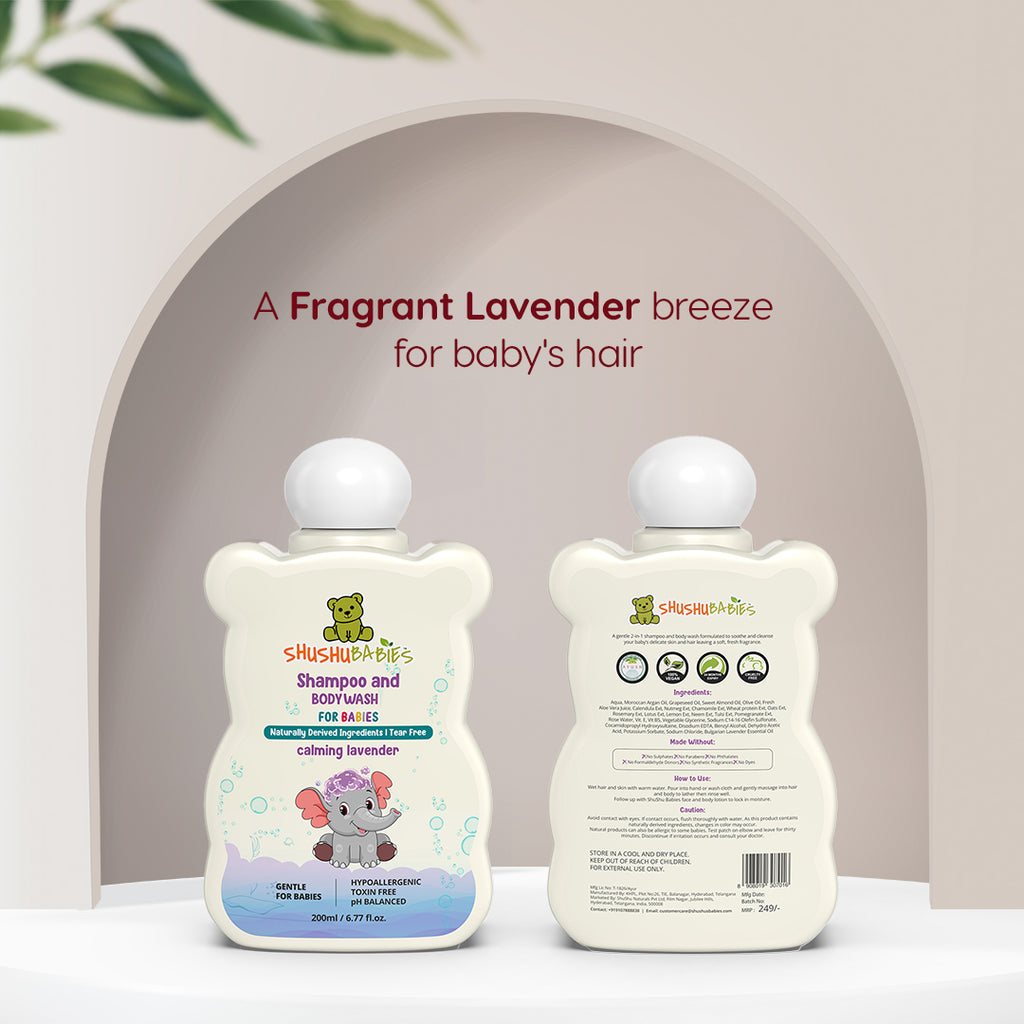
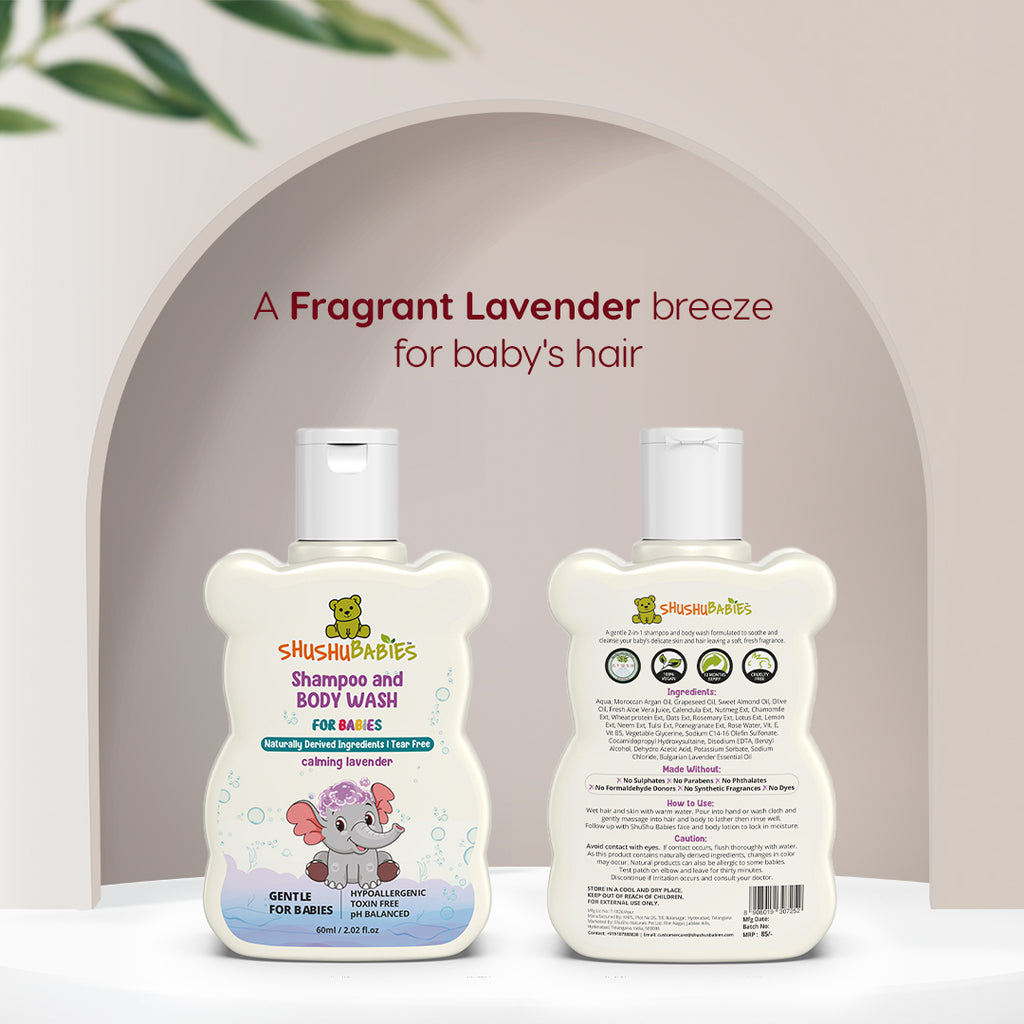
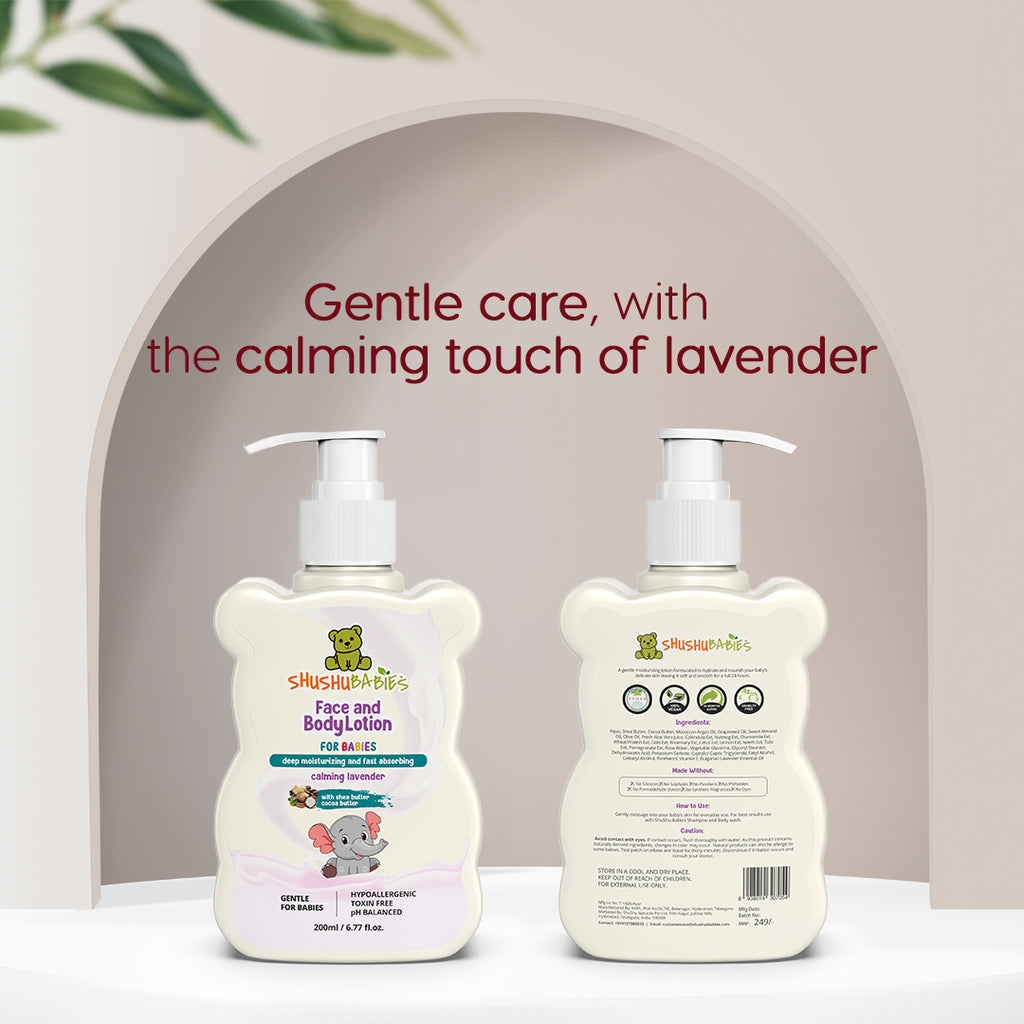
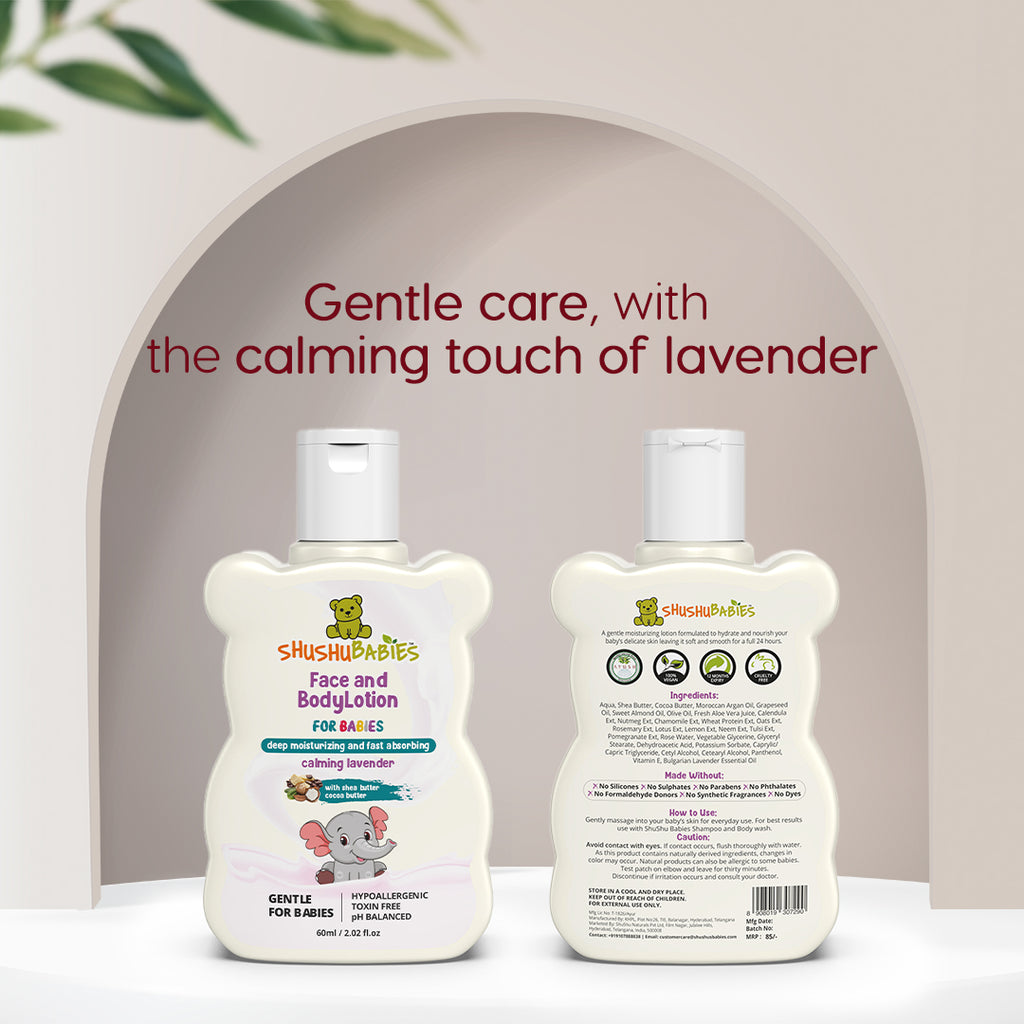
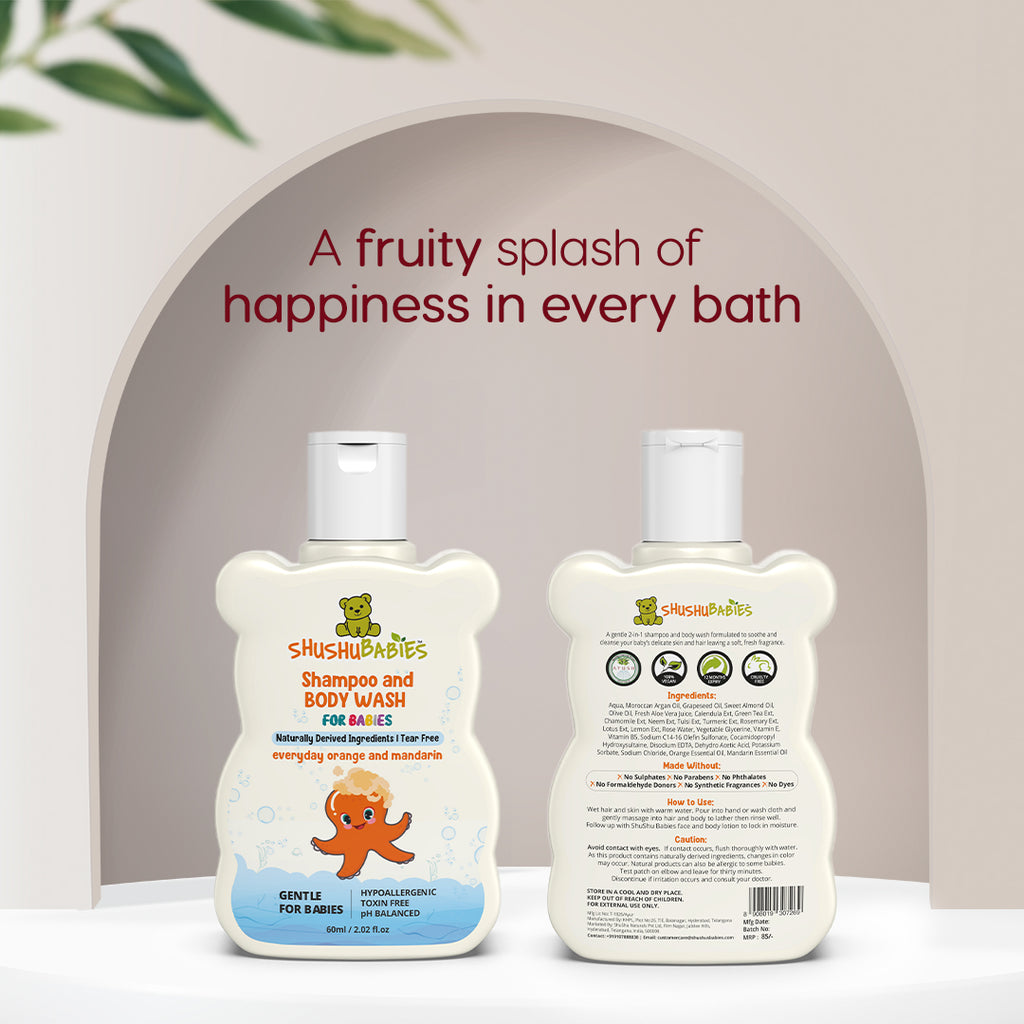
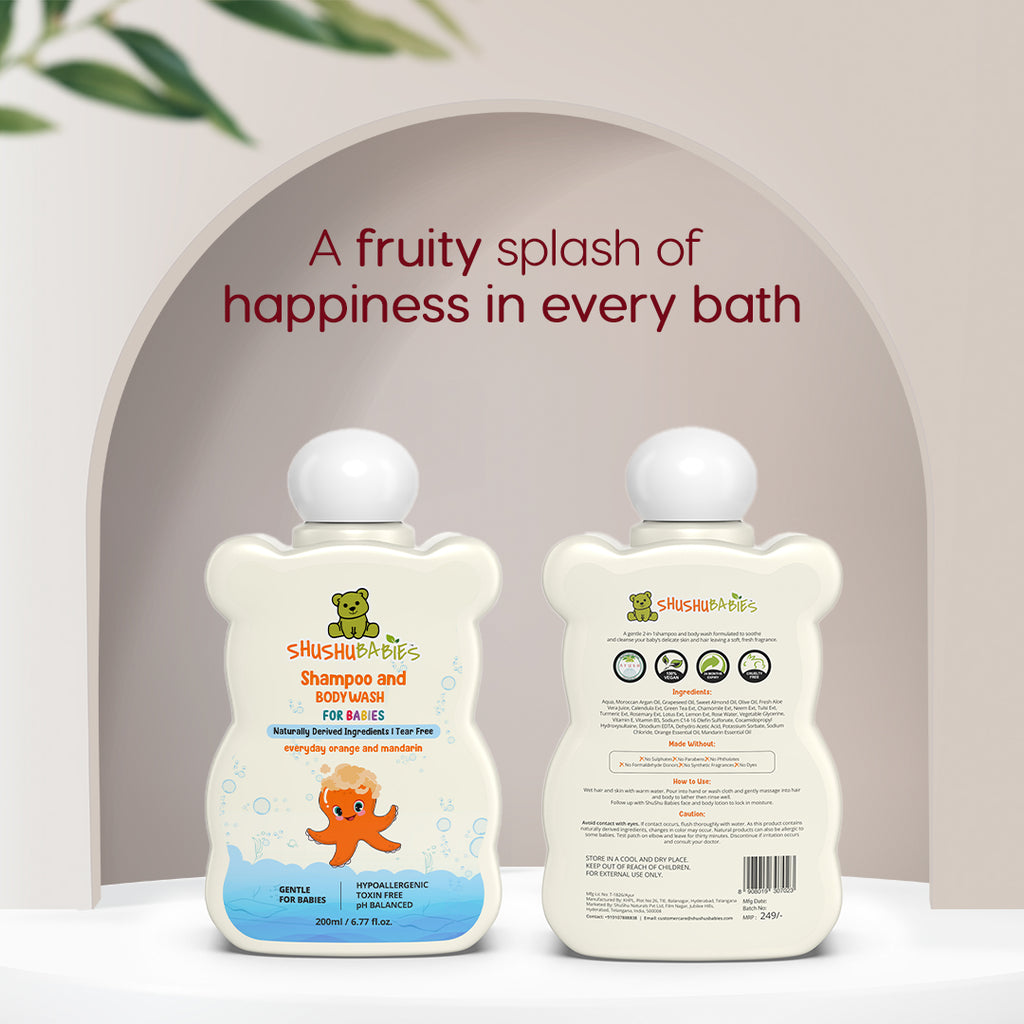
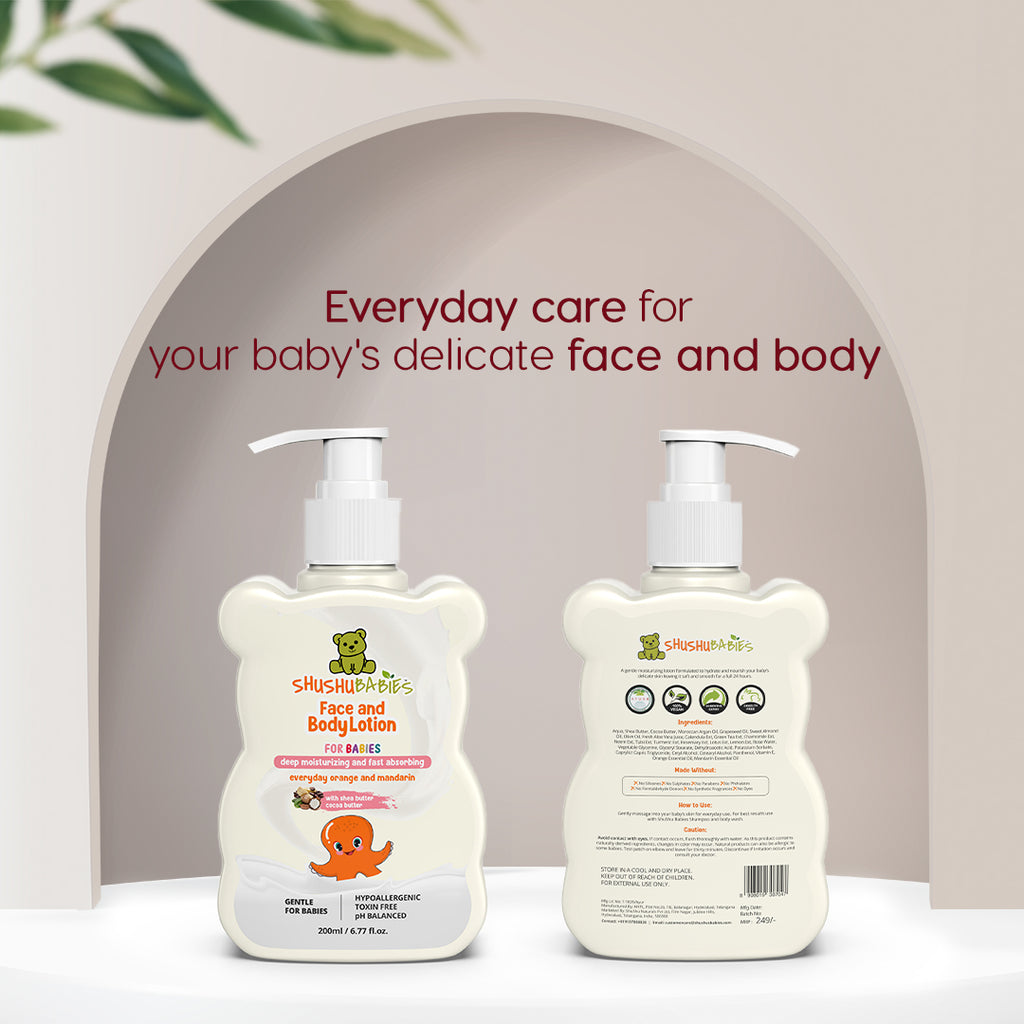
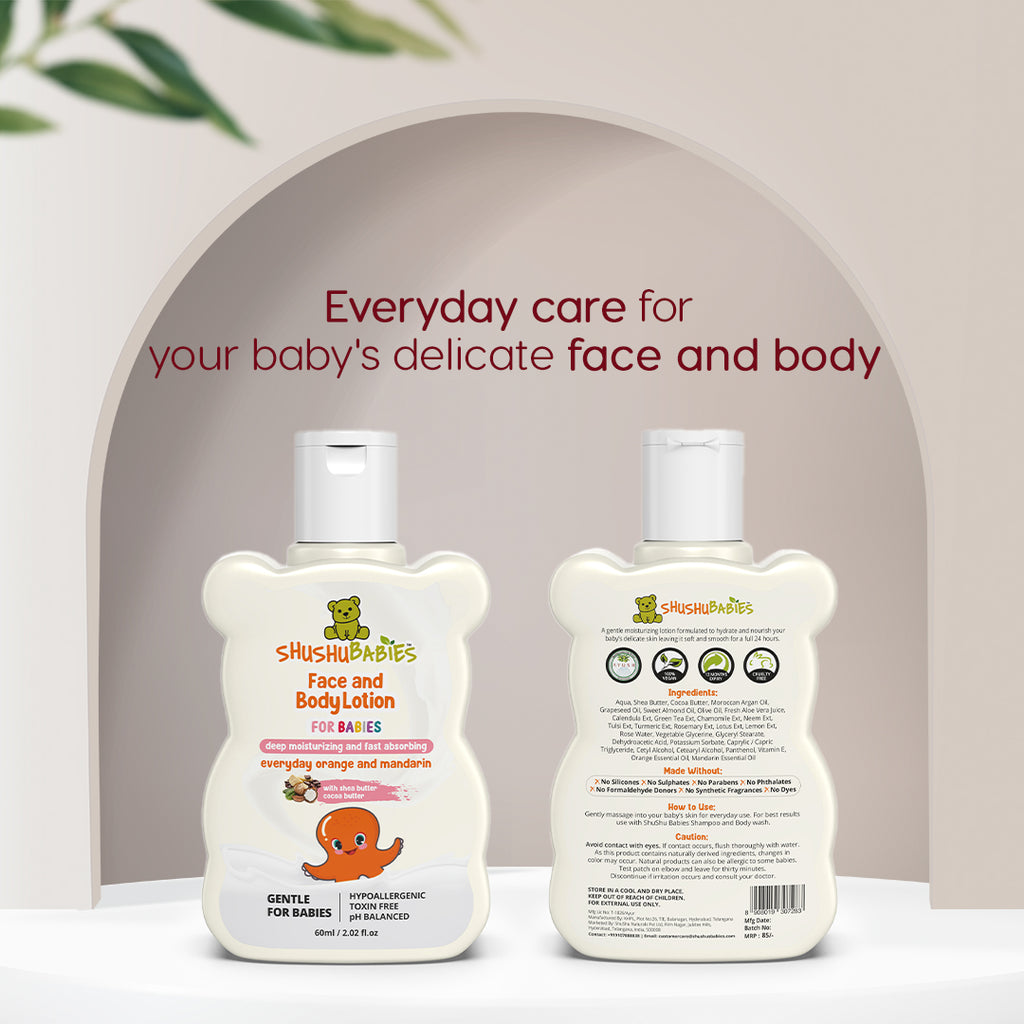
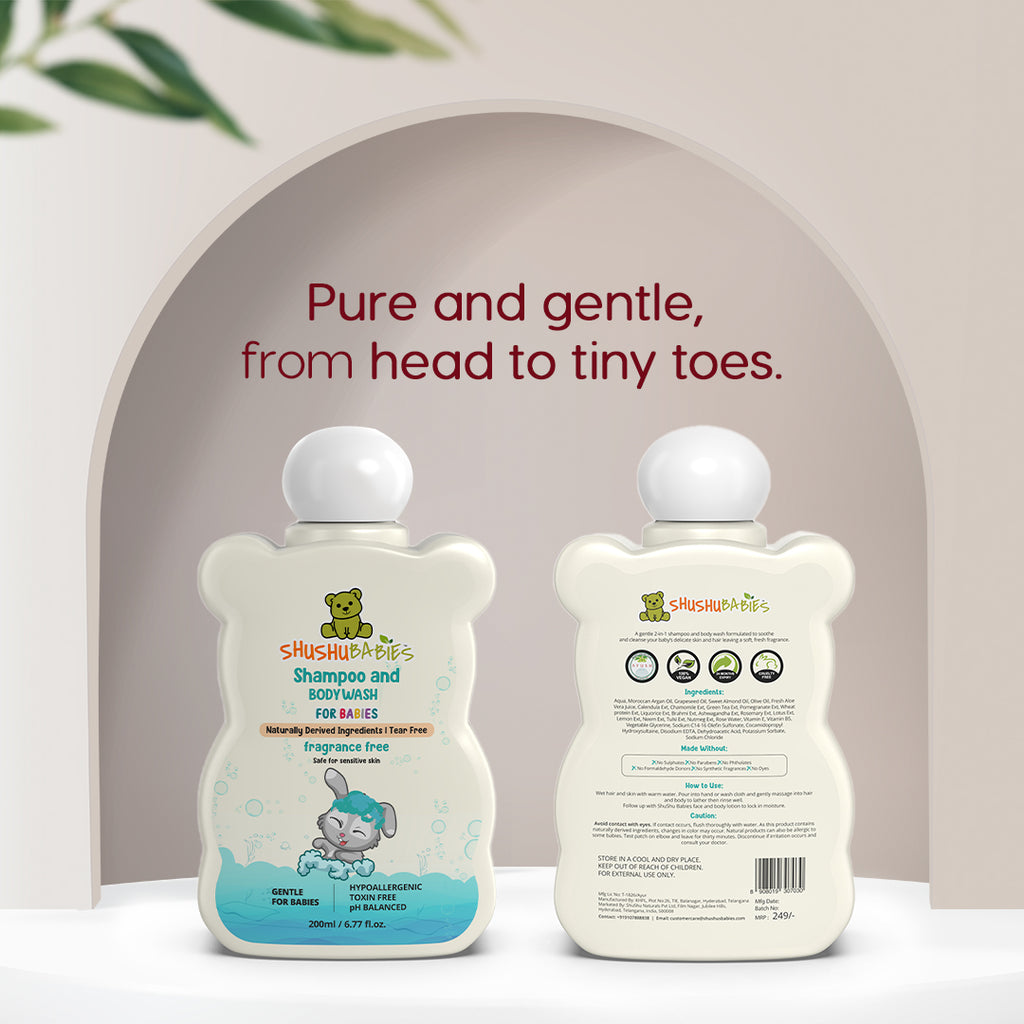
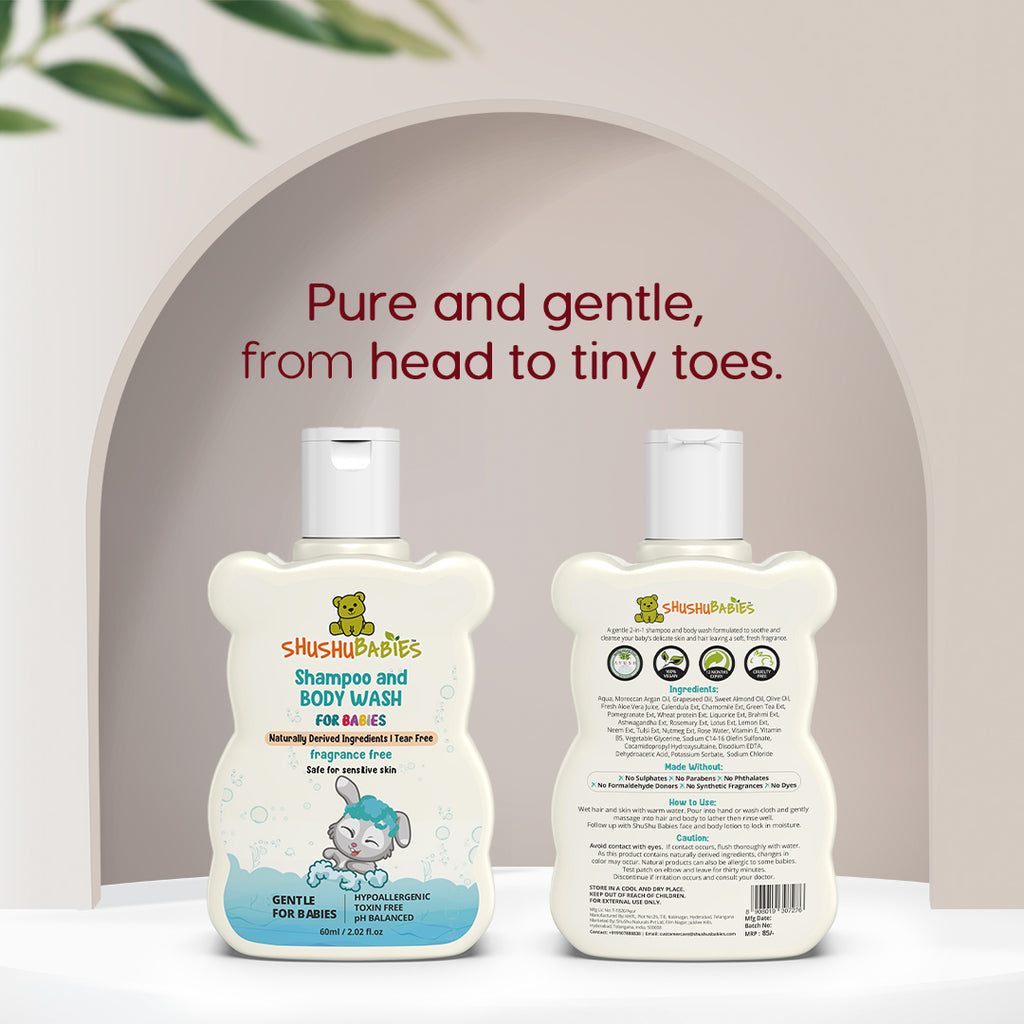
ShuShu Babies describes its range as Ayurvedic, natural and made in India, with products across baby and kids' categories including massage oil, shampoo, body wash, lotion, powder and sunscreen. The brand states that its products are dermatologically tested and pediatrician-approved and highlights formulas without parabens, sulfates, silicones or artificial fragrances.
For newborns, parents should be especially cautious about introducing unnecessary products. A newborn does not need an elaborate skincare shelf. Gentle cleansing, appropriate moisturising and protection from environmental exposure are usually the foundations.
Why authenticity matters
Searches for buy authentic Ayurvedic baby products are understandable because parents want confidence about what they are putting on a baby's skin. Check the manufacturer's information, ingredient list, age guidance, usage instructions and packaging before buying. Avoid assuming that every herbal or Ayurvedic product is automatically suitable for every child.
Natural ingredients can still cause sensitivity in some children. A small-area test and professional advice are sensible when a child has a history of reactions.
The right time to change
Instead of asking, "Is my child old enough for adult skincare?", ask:
Is the current product meeting the child's needs? Has puberty changed the skin? Is there persistent acne, irritation or dryness? Does the child need a specific dermatologist-recommended treatment?
If the answer is no, there is no need to rush into adult skincare.
Explore ShuShu Babies' Ayurvedic baby and kids' care range for age-conscious everyday products, and seek professional guidance when your child's skin develops a persistent or unusual concern.
For older children, the same principle continues: fewer, well-chosen products are usually easier to use consistently. As a child moves into adolescence, a dermatologist can recommend specific treatments when necessary. The transition is therefore gradual, personalised and based on skin behaviour rather than a fixed age or a marketing label.